Your Body Repairs Itself While You Sleep: If Pain Keeps Coming Back, Look at Your Sleep
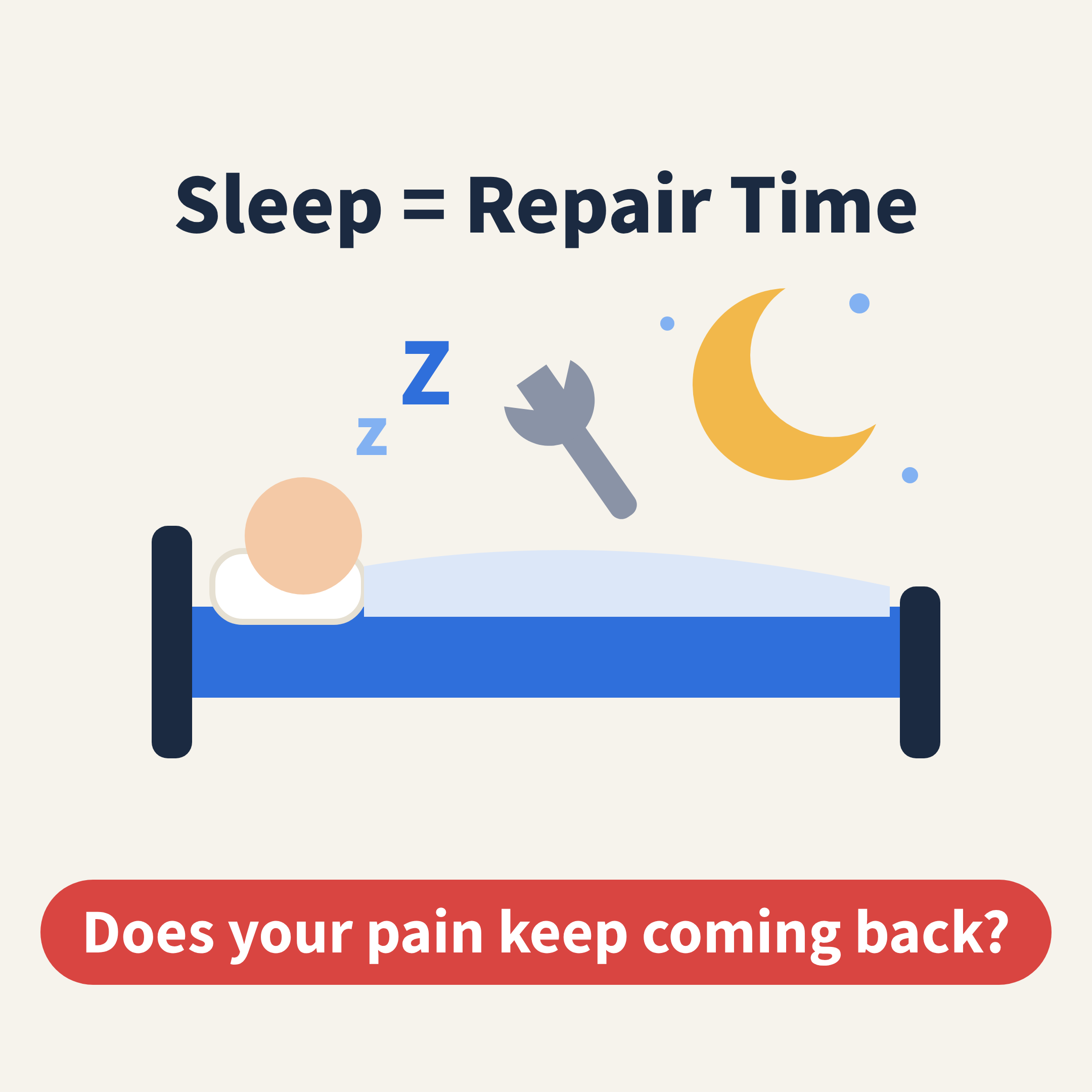
Sleep is not just a time for the brain to rest. It is when the body fixes and reinforces the small and large damage built up during the day, a kind of "maintenance and repair time" for our organs. If musculoskeletal pain in the neck, back, or shoulders keeps returning, it is worth looking at the quality of your sleep alongside your treatment.
1. Musculoskeletal Pain: Many Tissues Are Involved
Musculoskeletal pain rarely has a single cause. Many tissues play a part: the bones that form the skeleton, the muscles and tendons that create movement, the ligaments that keep joints from moving too far, the blood vessels that deliver nutrients and remove waste, the white blood cells that clear away damaged tissue and foreign material, and the nerves that sense and regulate the body. If any one of them is slow to recover, pain can linger.
2. Body Signals and the Sleep Study
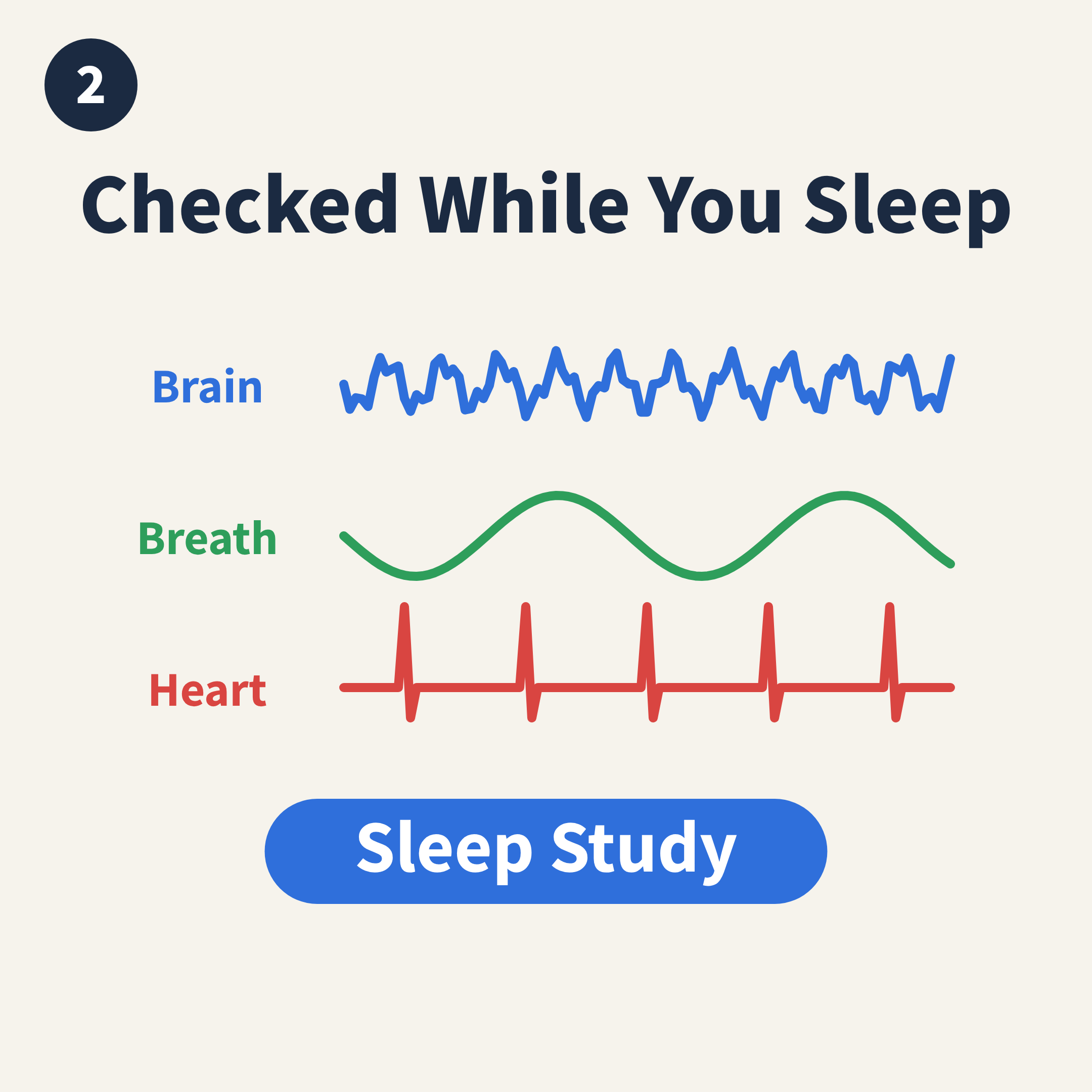
The body constantly produces biosignals, such as brain waves, breathing, heart rhythm (ECG), muscle activity (EMG), eye movements (EOG), and blood oxygen levels. During sleep we move less, which makes these signals easier to record reliably. A test that measures many of these signals together through the night, and analyzes sleep stages along with breathing, heart, and muscle activity, is called polysomnography, or a sleep study. It shows objectively how deeply you sleep and whether your breathing is blocked during sleep.
3. Bone and Muscle Repair
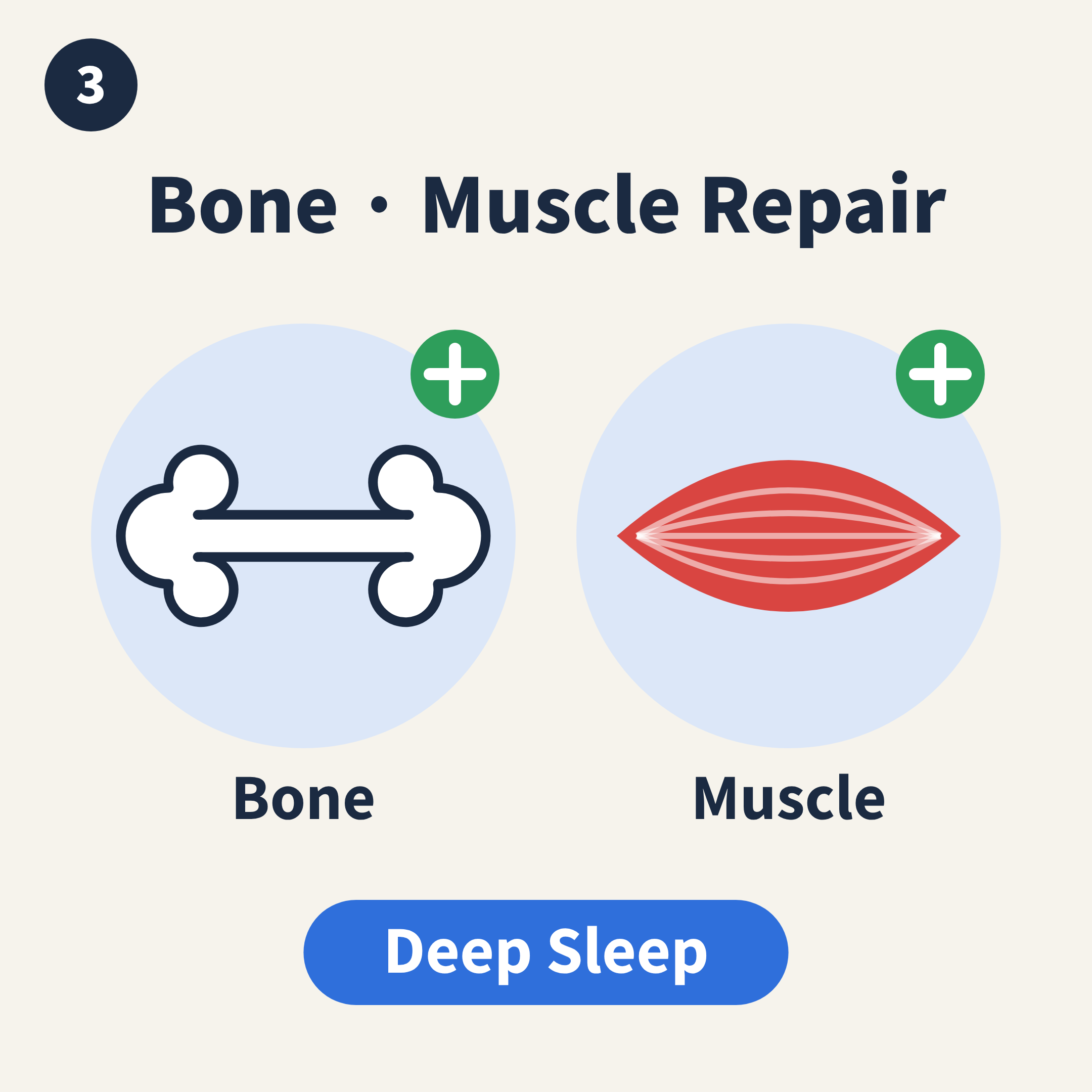
Bone is not built once and left alone; it is constantly renewed. Osteoclasts break down old or damaged bone, and osteoblasts build new bone in its place. This process follows the body's daily rhythm and is known to become more active during sleep. Muscle works the same way. Growth hormone release rises during deep sleep, and this is when tiny muscle injuries from daily activity are repaired and made stronger.
4. Blood Vessel and Nerve Repair
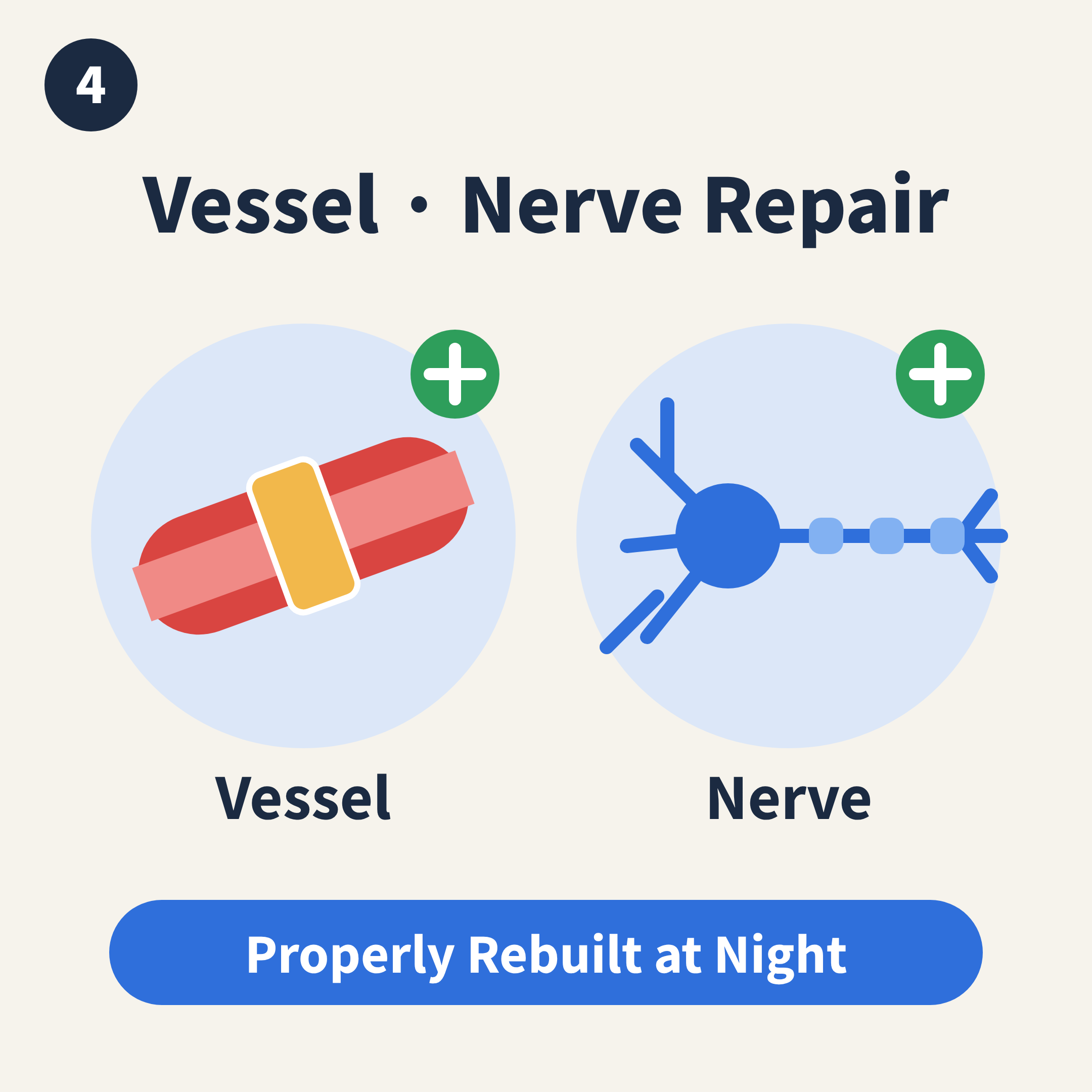
When a blood vessel is injured, platelets first gather to patch the hole as a quick fix during the day. Rebuilding the vessel wall properly with materials such as collagen and elastin continues during rest and sleep. Nerves are also reinforced where they were damaged, and they regrow along with new tissue. Studies also suggest that lack of sleep can lower the pain threshold, so the same stimulus may feel more painful.
5. Night Is a Better Setting for Recovery
During sleep, body temperature, hormones, and the autonomic nervous system shift in ways that favor recovery. For this reason, repair is described as being far more efficient at night than during the day. It is sometimes expressed as "about 100 times," but this is best understood as a figure of speech that stresses how large the difference is, rather than a precisely measured number.
6. Chronic Pain, Snoring, and Sleep Apnea
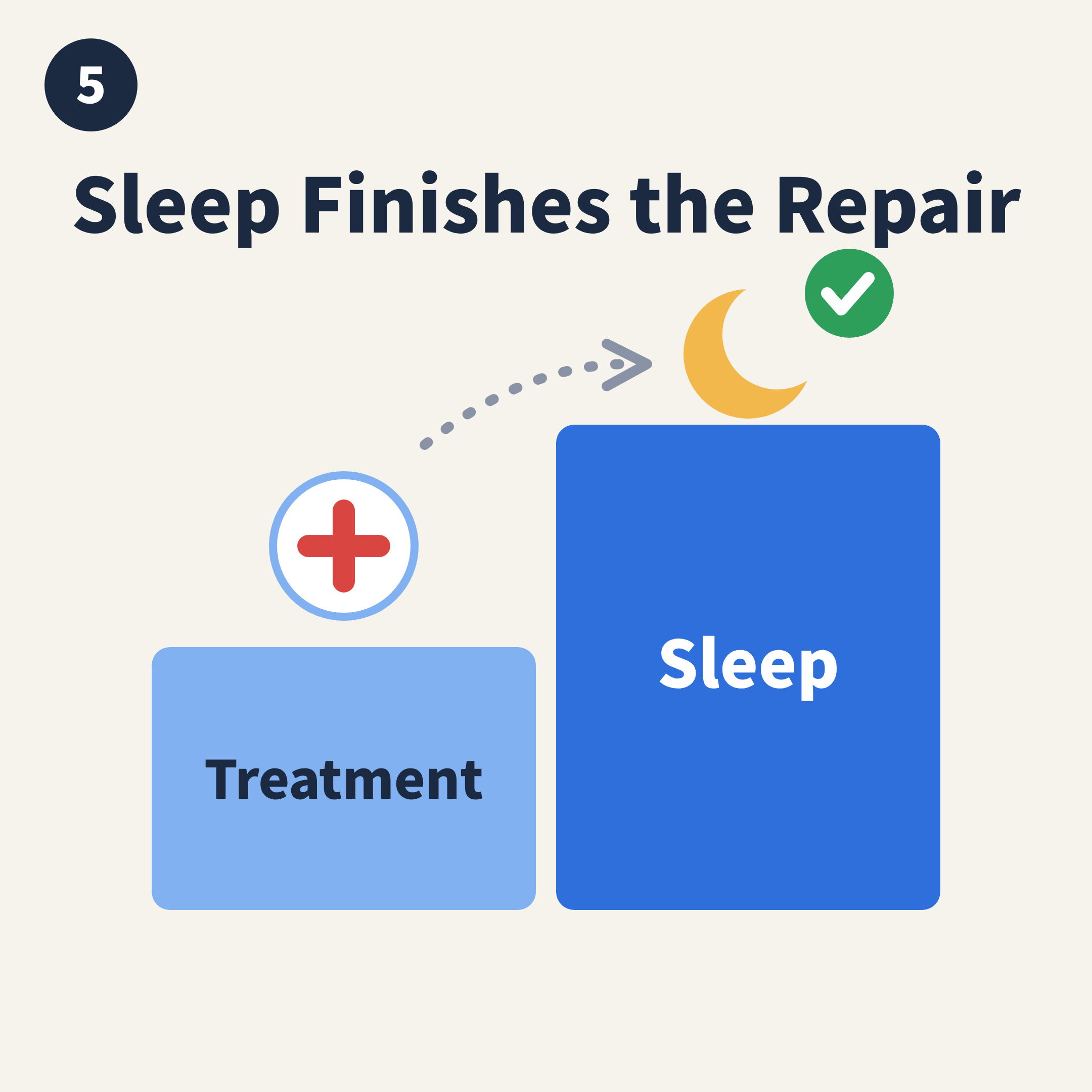
Injections and physical therapy lay down the "scaffolding" for recovery, while the actual "completion", when tissue is rebuilt, happens during sleep. That is why pain tends to keep returning when sleep is poor, even with good treatment.
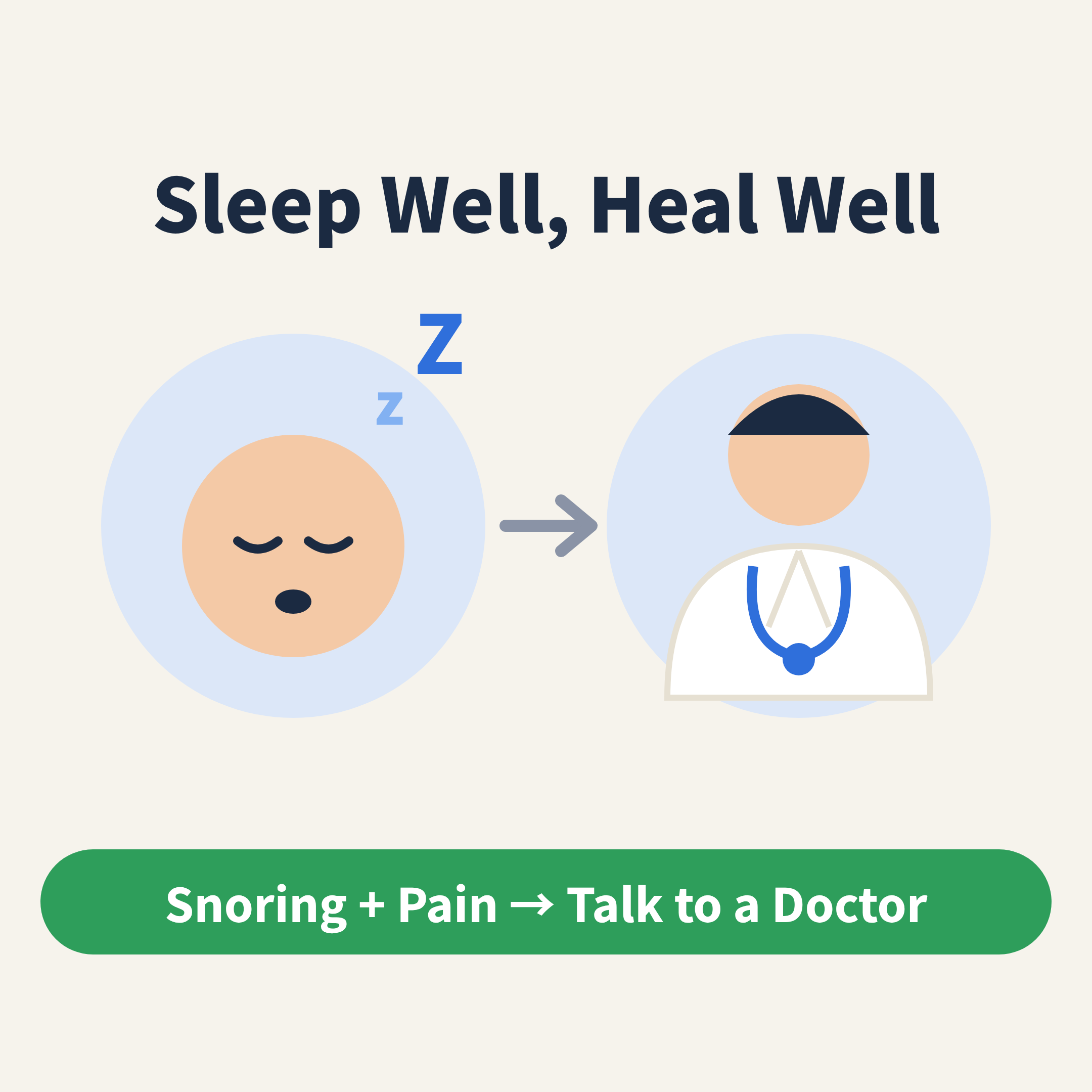
Snoring is common among people with a short neck, a small or receding jaw, or a rounder face. Heavy snoring may come with sleep apnea, in which breathing briefly stops during sleep and disrupts deep sleep. If you have long-lasting pain along with snoring or strong daytime sleepiness, talk with a doctor about whether a sleep study is right for you.