Tingling, burning pain, or numb feet? Your nerves may be sending a warning
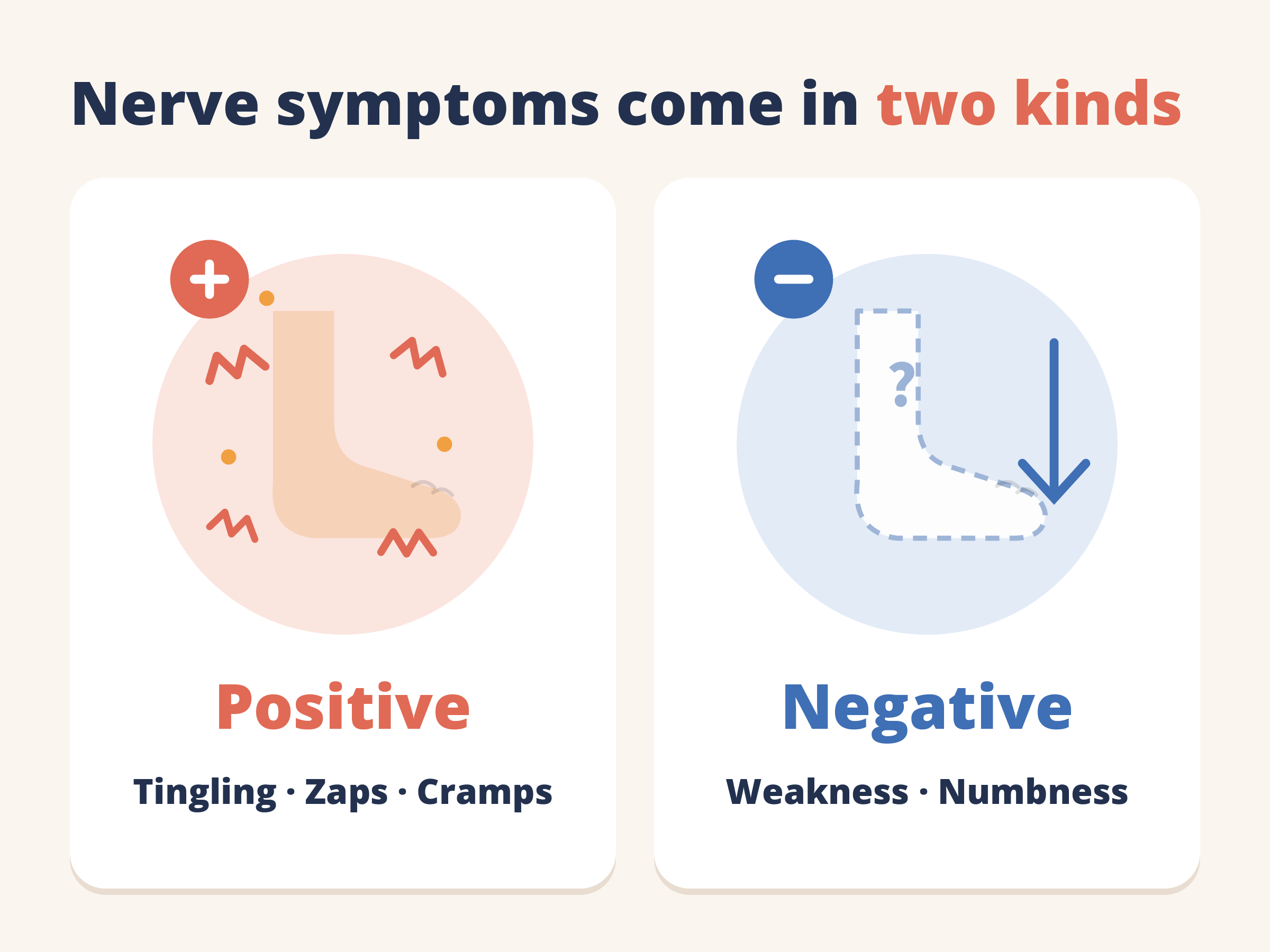
When nerves are damaged, symptoms fall into two groups. Negative symptoms mean a function is reduced or lost. Positive symptoms mean something new appears that should not be there.
Negative symptoms feel like something is missing: weakness or numbness.
Positive symptoms feel like something is added: tingling, stabbing pain, or cramps.
Nerves are grouped by their job into motor nerves, large sensory nerves, small sensory nerves, and autonomic nerves, and the symptoms depend on which type is affected.
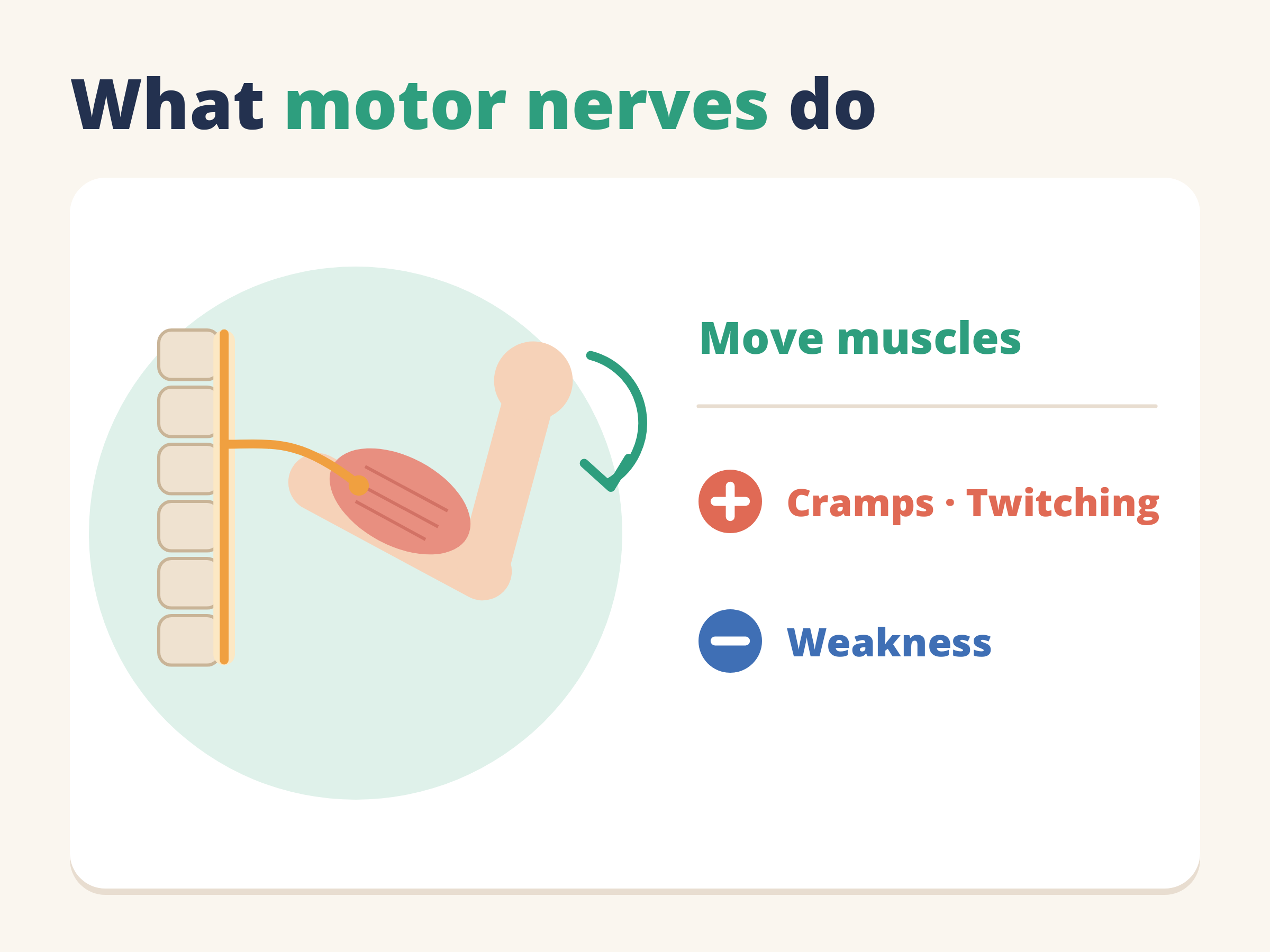
Motor nerves: the nerves that move your body
They carry commands from the brain to the muscles.
Negative symptoms: weakness or paralysis. You may drop things, trip because your toes drag, and lose muscle bulk over time.
Positive symptoms: muscle twitching (fasciculations), sudden cramps, and a stiff, tight feeling in the muscles.
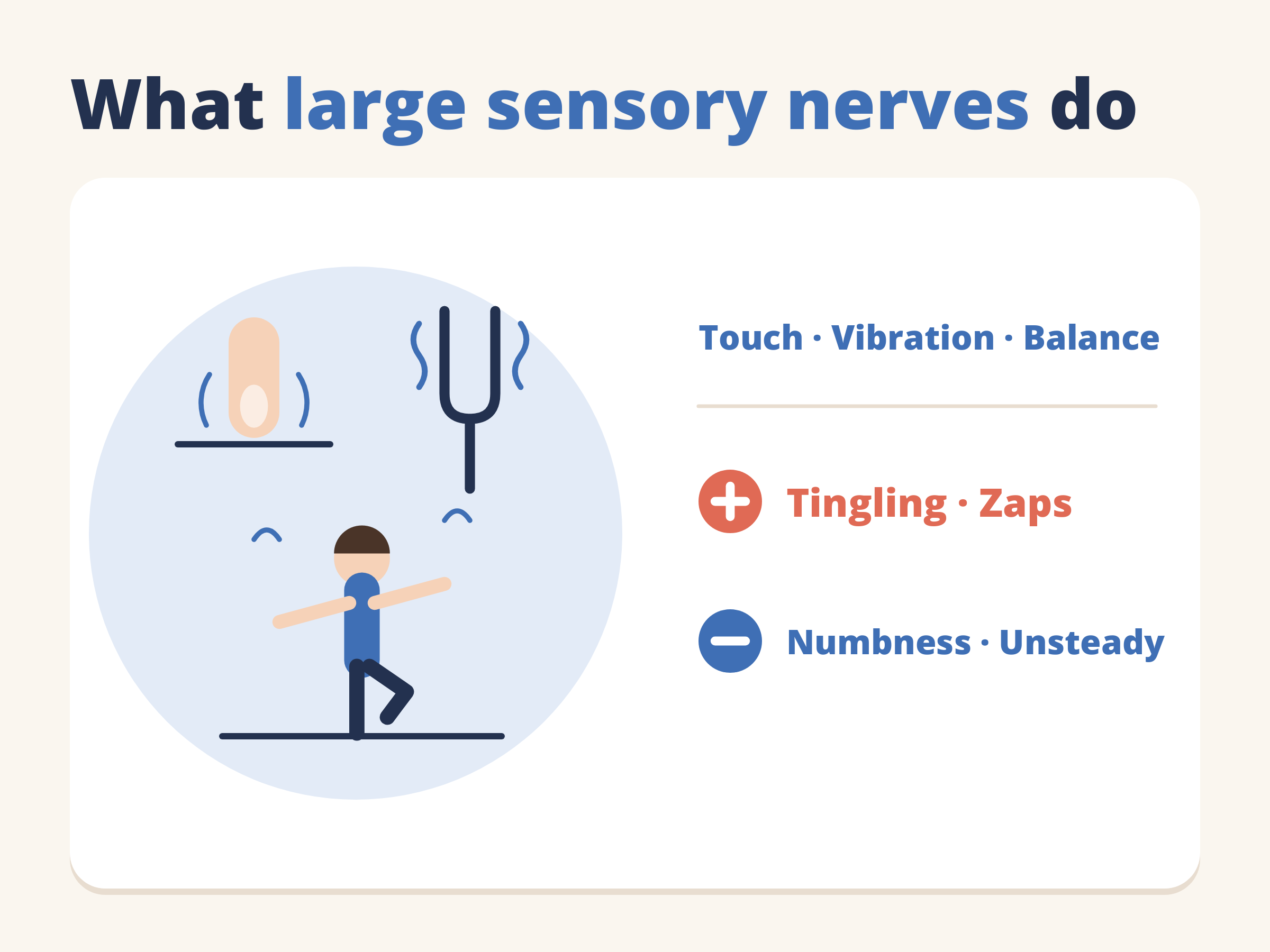
Large sensory nerves: touch, vibration, and position sense
These thick, fast nerves carry light touch, vibration, and proprioception, the sense of where your limbs are even with your eyes closed.
Negative symptoms: feet feel muffled, as if wearing thick socks, and the ground feels dull underfoot. You may wobble or fall with your eyes closed or in the dark, and fine tasks like buttoning a shirt or writing become clumsy.
Positive symptoms: a crawling feeling like insects on the skin, pins and needles, and discomfort from even a light touch.
Small sensory nerves: pain and temperature
These thin, slow nerves let you feel pain, heat, and cold, and protect your body from harm.
Negative symptoms: you may not notice burns or cuts. Foot injuries go unnoticed and can become infected. Not feeling pain is not a blessing; it is a dangerous sign.
Positive symptoms: burning, stabbing or electric-shock pain, and pain from things that should not hurt, such as clothes or bedsheets touching the skin. Symptoms are often worse at night and disturb sleep.
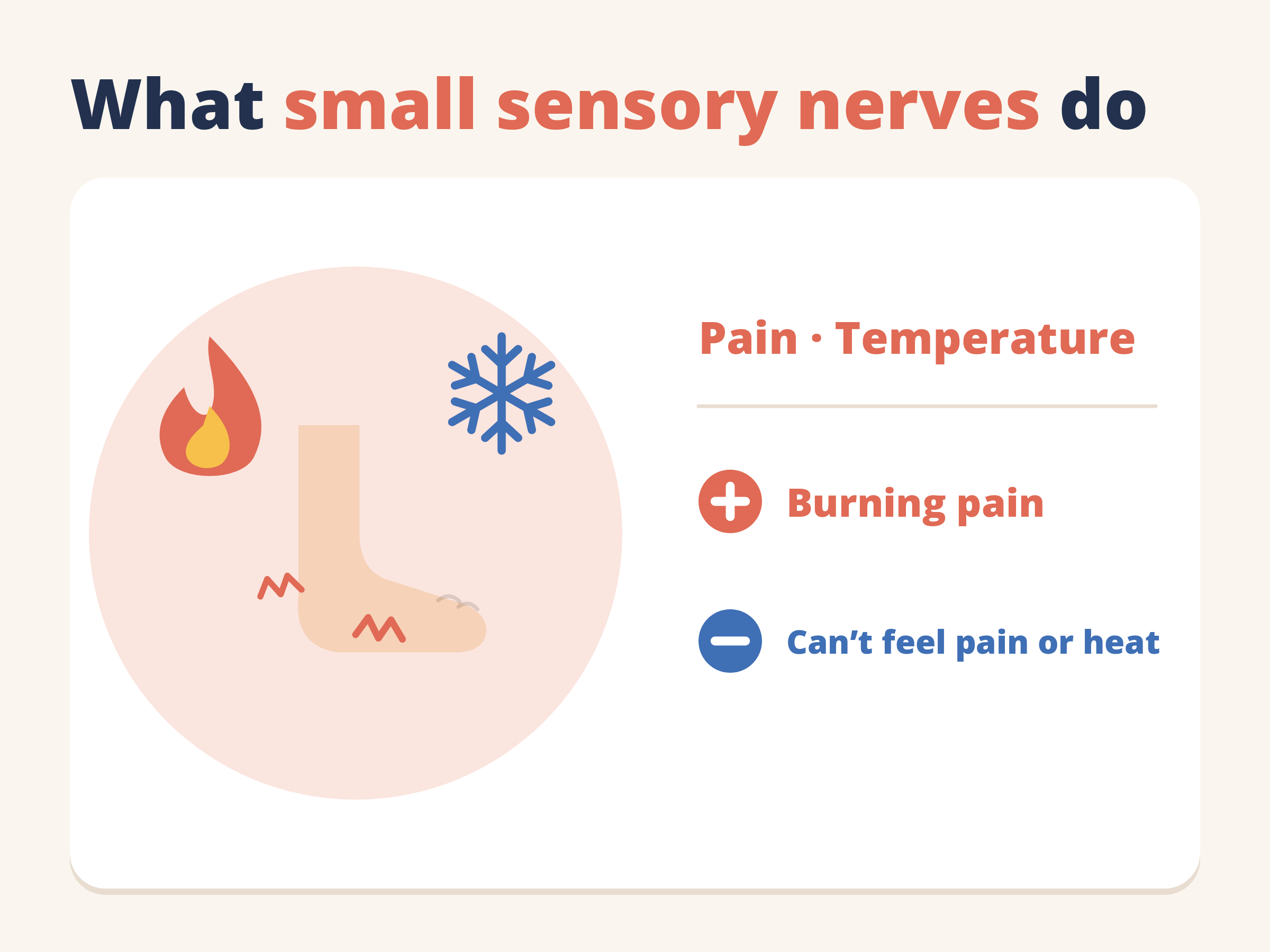
Autonomic nerves: the body's automatic control system
They regulate the heart, blood pressure, sweating, digestion, bladder, bowels, and sexual function without your conscious effort.
Negative symptoms: dizziness or blackouts when standing up (orthostatic hypotension), reduced or absent sweating, constipation, poor digestion, trouble urinating, and erectile dysfunction.
Positive symptoms: excessive sweating, a racing heart at rest, repeated diarrhea, and a sudden urgent need to urinate.
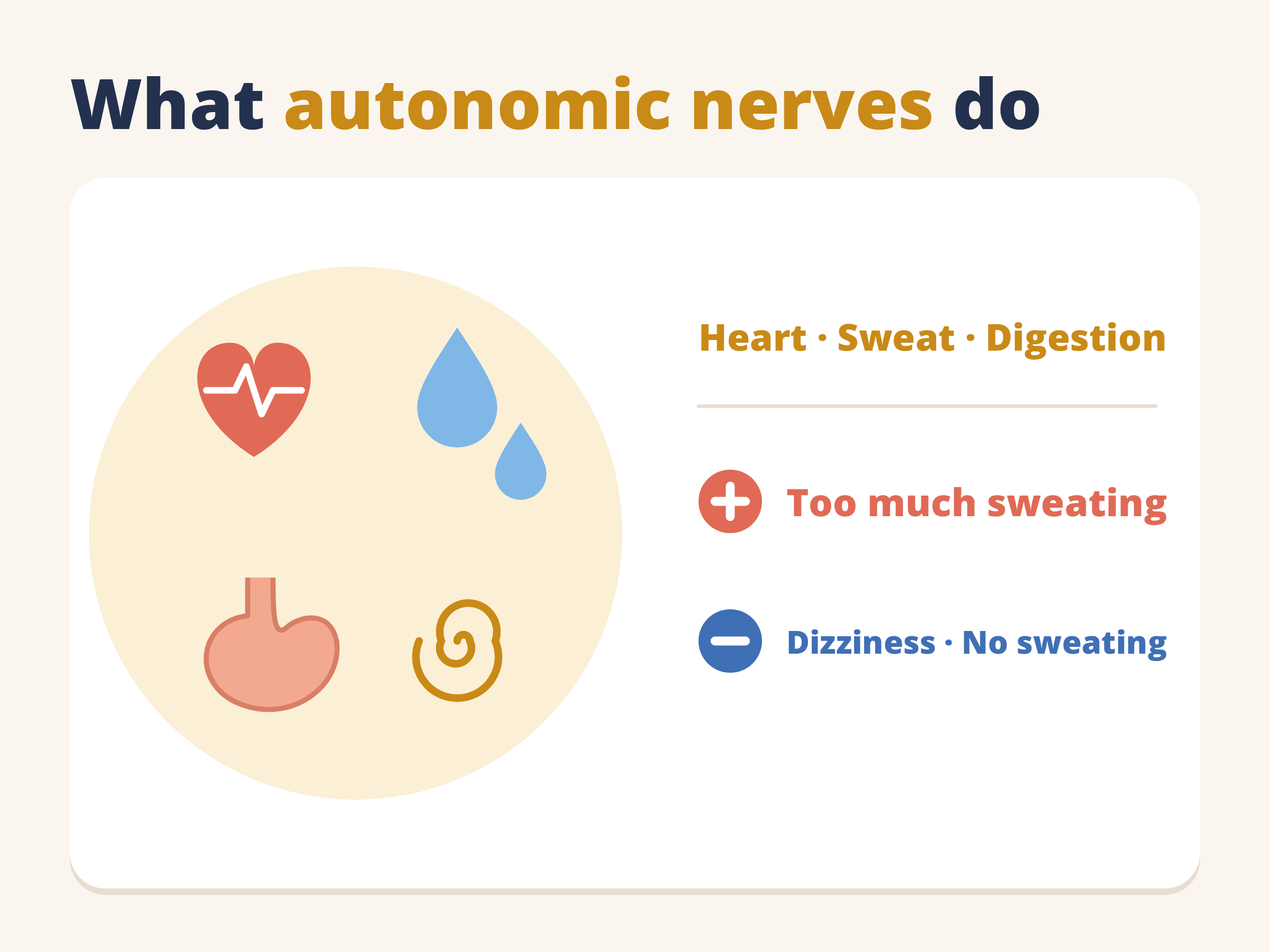
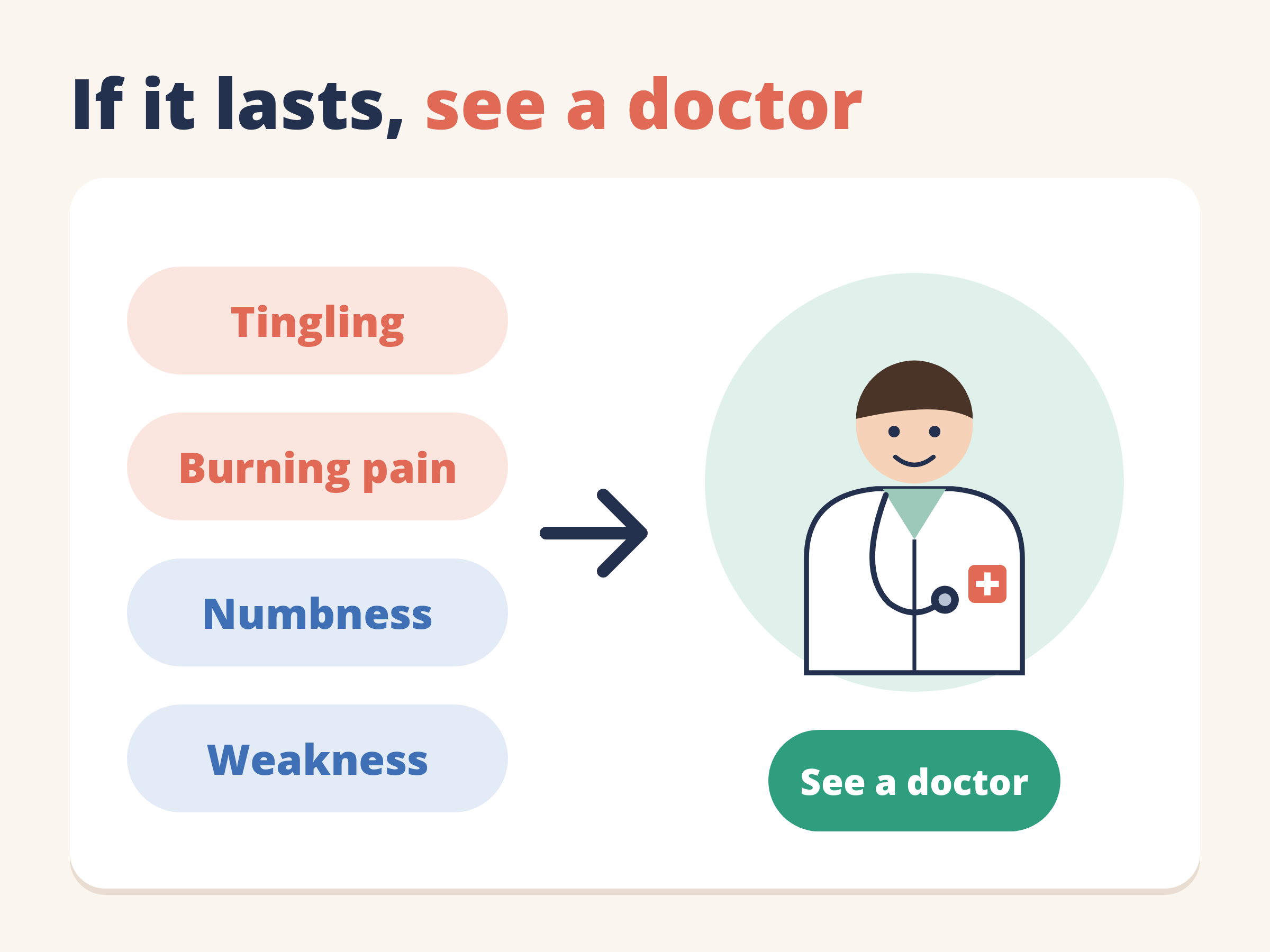
When to see a doctor Positive symptoms such as tingling and pain are easy to notice because they are uncomfortable. Negative symptoms such as weakness or numbness develop slowly and are easy to miss.
Causes are many, including diabetes, spine problems, medications, and vitamin deficiency, and the earlier the cause is found, the better the chance of recovery.
If you have tingling, weakness, dizziness, or urinary problems that persist, please see a doctor.