
Medications and pain, part 1 (over-the-counter and prescription drugs)
Medications and pain
Hello. I am Dr. Wonsik Ahn, director of ANSim Pain Clinic.
A drug administered by medical staff in hopes of a specific effect may show an "effect" in a particular organ, but it may show "side effects" in other organs of the body. In addition, the intended effect on an organ can sometimes change.
It is very common for side effects of various drugs administered by medical staff to cause "pain", especially "musculoskeletal pain". Therefore, when treating patients with pain, "a history of medication use" must always be investigated.
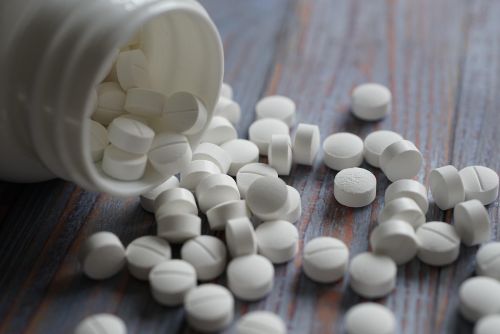
Muscle pain, joint pain, muscle spasms, etc.: when musculoskeletal pain is caused or existing pain is worsened
Among drugs commonly used in clinical practice, some, separately from their therapeutic effects, cause musculoskeletal pain such as muscle pain, joint pain, muscle spasms, tendon and ligament pain, and bone pain, or worsen existing pain in patients.
In particular, if the pain is of a type that "started newly regardless of exercise or changes in posture, coincides in time with starting or increasing a drug at a specific point, or spreads to a specific area (e.g., the Achilles tendon) or to muscles throughout the body," we actively consider the possibility of drug-related pain.
1. Cholesterol-lowering drugs (statins: atorvastatin, rosuvastatin, etc.)
- These are commonly used to lower cholesterol and prevent heart and cerebrovascular disease.
- Relatively commonly, muscle pain, a feeling of losing strength (muscle weakness), or aching muscles throughout the body as with flu-like body aches can occur.
- Although very rare, rhabdomyolysis, in which muscle is severely damaged, can occur, so if muscle pain is severe and urine becomes dark like cola, or if extreme lethargy/fever accompanies it, immediate medical attention is needed.
2. Some antibiotics (fluoroquinolones: levofloxacin, ciprofloxacin, etc.)
- These are antibiotics used for urinary tract infections, respiratory infections, and the like.
- Characteristically, they can cause tendon pain/inflammation. In particular, new Achilles tendon (heel tendon) pain may be an important warning sign.
- Rarely, tendons tearing (tendon rupture) has been reported, so if you feel a sudden "snap" and pain in the heel when walking, or weakness in the ankle, you need medical attention right away.
- Being elderly and taking these together with steroids may further increase the risk.
3. Hormonal drugs for breast cancer (aromatase inhibitors: letrozole, anastrozole, etc.)
- These are used to lower the risk of recurrence in the treatment of breast cancer after menopause.
- Very commonly, joint pain and morning stiffness in the fingers/knees/shoulders (joint stiffness) can occur.
- With long-term use, weakening of the bones (decreased bone density) can also occur, so we also check for bone pain and fracture risk.
4. Treatments that lower sex hormones (GnRH injections, etc.: leuprolide, etc.)
- These are used to lower sex hormones in prostate cancer, endometriosis, and similar conditions.
- Due to hormonal changes, muscle pain, joint pain, and a feeling of stiffness in the body can occur, and in the long term, the bones may weaken, accompanied by bone pain.
5. Drugs for osteoporosis/bone metastasis (bisphosphonates: alendronate, zoledronic acid, etc.)
- These drugs reduce bone weakening to lower the risk of fractures.
- In particular, for about 1–3 days after an injection (intravenous injection), flu-like muscle pain, joint pain, and bone pain can occur (mostly temporary).
- In some people, the pain can be quite strong or long-lasting, so the time the drug was started and the time the pain began are always checked against each other.
6. Denosumab (injection)
- A drug that inhibits the action of cells that resorb bone, reducing osteoporosis and bone complications of cancer.
- Low back pain, pain in the arms and legs, muscle pain, and joint pain can occur.
- Rarely, when blood calcium drops, muscle spasms like cramps can occur, so if there are symptoms, blood tests are also checked.
7. Systemic steroids (prednisolone, etc.)
- These are used to strongly reduce inflammation in asthma, allergies, autoimmune diseases, and the like.
- With long-term use, muscle strength may decrease (especially around the thighs and shoulders), or muscle pain may occur.
- In addition, through complications such as osteoporosis and femoral head (hip joint) problems, bone and joint pain can newly appear, so if "the pain has increased," the duration and dose of use must be checked.
8. HIV drugs (antiretrovirals: with some drugs)
- Among the drugs for acquired immunodeficiency syndrome, which are used in combination, some can cause muscle pain or muscle damage (myopathy), and the pain can worsen along with a decline in overall condition.
9. Interferon (formerly used for treating hepatitis, etc.)
- Because it induces an immune response like the flu, during treatment body aches (muscle pain and joint pain) can be relatively common.
10. White blood cell injections after chemotherapy (G-CSF: filgrastim, etc.)
- These are injections that raise white blood cells when they drop after chemotherapy.
- As bone marrow activity suddenly increases, deep, aching bone pain (ostealgia) is common (sternum, pelvis, lumbar vertebrae, etc.).
11. Psychiatric drugs (antipsychotics: risperidone, olanzapine, etc.)
- If side effects such as a feeling of the body stiffening, a feeling of muscles pulling or twisting, or restlessness that makes it hard to stay still (agitation) occur, the patient may experience them as "generalized pain/discomfort."
- Although very rare, high fever and severe muscle stiffness can appear together in a dangerous condition (neuroleptic malignant syndrome), and in such cases immediate medical attention is needed.
12. Drugs for depression/anxiety (SSRIs: sertraline, escitalopram, etc.)
- These are generally safe, but in some people muscle pain, or worsening of pain due to increased tremor/tension may occur.
- Very rarely, if high fever, muscle stiffness, agitation, diarrhea, and the like appear together (suspected excessive serotonin reaction), immediate medical attention is needed.
13. Acne medication (isotretinoin)
- This is used for severe acne.
- During treatment, muscle pain and joint pain or pain that becomes worse after exercise have been reported.
14. Gout medication (colchicine)
- This is used to treat and prevent gout attacks.
- Gastrointestinal side effects such as diarrhea are usually common, but if there are interactions with other drugs or decreased kidney function, the drug builds up in the body, and muscle pain/muscle weakness may become severe, or very rarely serious muscle damage can occur.
15. Triglyceride-lowering drugs (fibrates: fenofibrate, etc.) / niacin (nicotinic acid)
- Fibrates can also cause muscle pain, and especially when used together with statins, the risk of muscle side effects can increase.
- Niacin is well known for facial flushing, but in some people muscle pain has been reported.
16. Blood pressure drugs (ACE inhibitors: enalapril, etc. / ARBs: losartan, valsartan, etc.)
- Nonspecific pain such as muscle pain, joint pain, and low back pain can occur, and individual differences are large.
17. Diabetes drugs (DPP-4 inhibitors: sitagliptin, linagliptin, etc.)
- Common side effects are few, but rarely sudden severe joint pain has been reported, so it can be suspected when it coincides with the start of the drug.
18. Vaccines (e.g., influenza, COVID-19, etc.)
Due to the immune response, for a few days after vaccination muscle pain and joint pain can commonly occur (mostly temporary). In people who already have pain, it may temporarily become more noticeable.

In summary, drugs produce therapeutic effects in certain organs but can cause side effects in other organs, and depending on the purpose of treatment, the same reaction may be interpreted as an "effect" or a "side effect".
Cholesterol-lowering drugs, antibiotics, hormonal drugs, osteoporosis drugs, steroids, and other drugs commonly used in clinical practice can newly cause musculoskeletal pain such as muscle pain, joint pain, tendon pain, and bone pain, or worsen existing pain, so when evaluating patients with pain, the medication history, the timing of starting/increasing doses, concomitant medications, and risk factors must be checked together, and the possibility of drug-related pain must always be differentiated.
Important warning signs to remember include muscle pain becoming very severe with dark urine, sudden severe pain or a tearing sensation in a tendon area (especially the heel), high fever plus severe muscle stiffness, and leg weakness/bladder or bowel problems, etc.; whether it is a drug side effect or another emergency cause, prompt evaluation is needed.
** Even if the pain seems related to a medication, do not stop it on your own, and it is safe to adjust it in consultation with the prescribing medical staff.